Why so many good people are privately struggling in love, what decades of science say about the real reason, and what this newsletter is here to do about it.
“We’re like roommates, not lovers.”
“We aren’t attracted to each other anymore.”
“Why did they cheat?”
I have heard these confessions for decades. They echo through bedrooms, friend groups, and therapy offices everywhere. And nearly every person who says them believes they are describing a private failure: their marriage, their fading desire, their partner’s betrayal. Something they did wrong. Or worse, something wrong with them.
But these are not rare pathologies. They are predictable. And anything this predictable, this widespread, deserves a harder question than “what’s wrong with us?”
The question I have spent my second career asking is different. What if the problem isn’t the people? What if it’s the system they were told to live inside?
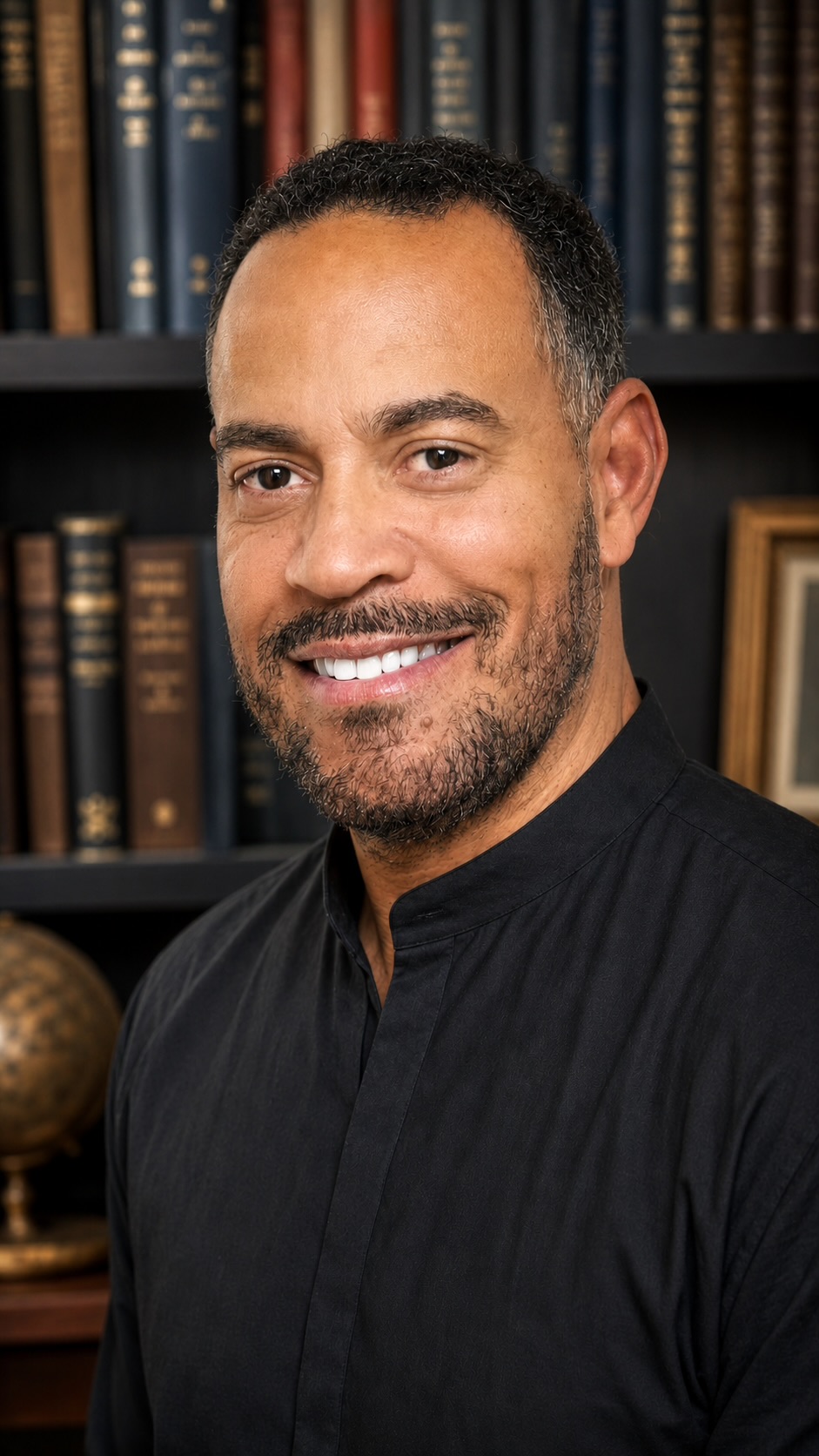
Let me introduce myself. I’m Dr. Jon Hyman. I became a physician and surgeon because the human body has always fascinated me. Across decades of studying anatomy, evolutionary biology, psychology, anthropology, and human sexuality, as well as my own personal experiences with relationships, monogamy and society, one question kept returning: if our modern relationship structures are so natural and so good for us, why do they so often lead to heartache, secrecy, and suffering, even among people who are trying their best?
I went looking for answers. I traveled widely and lived among cultures very different from my own, including time with indigenous tribes, watching how humans have formed bonds across time and place. What I found is that much of our suffering does not come from personal failure. It comes from living inside systems that are poorly aligned with our authentic nature.
Monogamy is one of those systems.
That sentence probably stirred something in you. Good. Stay with me, because this is exactly the conversation we’re going to have here.
For roughly 98 percent of human existence, we lived communally and practiced non-monogamy, the way nearly all animals do. Then, in the blink of an evolutionary eye, we invented agriculture, private property, marriage, and organized religion. We rewrote the rules of living, bonding, and belonging. What we did not rewrite was our biology. Evolution moves at a glacial pace. There is no Biology 2.0 update! We have the same biology as our hunter gatherer ancestors.
People insist, sometimes even professionals: “But we evolved to be monogamous.” No, we didn’t. We ‘adapted’ to its mandate from culture. We did NOT evolve to be monogamous.
Monogamy is an invention, not an instinct. We invented airplanes, but we didn’t evolve to fly. We invented scuba, but we didn’t evolve to breathe underwater. We can adapt our behavior to fit cultural systems. Let’s not mistake adaptation for evolution.
The result is a chasm between our ancient wiring and our modern ideals, and the evidence that we keep falling into it is everywhere. Divorce in the Western world hovers around 60 percent. Studies suggest up to 75 percent of men and 60 percent of women report having thought about or engaged in infidelity, and those are just the people willing to tell a survey the truth. The Kinsey Institute finds at least one in five married couples is essentially sexless; many researchers believe the real number is closer to double that.
The tragedy isn’t that we are attempting monogamy. The tragedy is that we are pretending it’s working.
So if you have lived some version of this story, if you have felt desire fade and wondered what broke in you, if you have loved your partner deeply and still ached for something you couldn’t name, hear this clearly. You have not failed. You were handed a structure that asks you to override several hundred thousand years of evolution with willpower and a wedding vow, and then blames you when the willpower runs out.
It’s not you. It’s the system. This inconvenient truth is part of what makes discussing monogamy one of the most forbidden conversations of our time.
This newsletter exists to have the dialogue almost nobody will have out loud. I’ve spent years writing a book about it: The Cult of Monogamy. It traces how monogamy became the one institution we’re not allowed to question, what the science of human sexuality actually shows, the costs we never tally, and what conscious, honest intimacy can look like instead. This Substack is where that work lives, before the book arrives and long after.
Here is what you can expect. Every week I’ll publish one essay drawn from the research behind the book: the biology of desire, why passion fades on a schedule you can almost set a clock by, what dating apps reveal about human nature, why jealousy grips us the way it does, and how couples are building honest intimacy on the other side of the myth. Between essays, I share shorter notes and questions. Some weeks I’ll make you angry. I would rather earn your disagreement than your indifference.
This space is for you if you’re questioning the relationship script you inherited. It’s for you if you’re in a committed relationship and want it to run on honesty instead of performance. And it’s for the therapists, coaches, and endlessly curious among you who sit with these struggles every day and sense that the standard explanations aren’t reaching the root.
Now, what I am not doing. I am not telling you to open your marriage. I am not against love, commitment, or family; I am for them, which is exactly why I refuse to keep pretending. You don’t need to change your life or your relationships to read this newsletter. You don’t even need to agree with me. Belief is not required. Just stay curious.
If that’s a deal you can live with, subscribe below. It’s free, every essay lands in your inbox, and you’ll be part of the conversation from the very beginning, before the book makes it a much louder one.
— Dr. Jon Hyman

0 Comments